



One theory of why this happens is called the “tension reduction hypothesis.” This theory suggests that alcohol is used as a self-medicating method to reduce stress and anxiety. When someone first has a drink of alcohol, it often has a sedative effect. In other words, alcohol is not a truly useful tool in managing or suppressing anxiety. Because it alters the chemical function of your body, using alcohol to soothe anxiety may only create more problems, both mentally and physically. Dependence can happen quickly and easily especially if you are already prone to obsessive or addictive behavior. Alcohol tricks you when you first drink it by boosting the chemicals like GABA that make you feel calm and happy.
Heroin Addiction
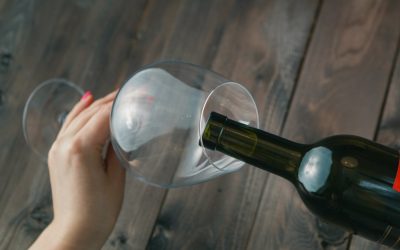
The sense of relaxation you feel when you drink can often be attributed to your blood alcohol content (BAC). A rise in BAC levels leads to temporary feelings of excitement, but feelings of depression occur as BAC levels fall. As a result, it’s possible that having a few drinks that make your BAC rise and then fall back to normal again can make you more anxious than you were before. At first, drinking can reduce fears and take your mind off of your troubles. It can help you feel less Drug rehabilitation shy, give you a boost in mood, and make you feel generally relaxed.
Anxiety and Alcohol: Does Drinking Worsen Symptoms?
Alcohol is a mild anesthesia and will put you in the mood for sleep — at least initially. Later in the sleep stages, alcohol disrupts REM sleep and paralytic sleep, which is when your body rejuvenates itself. By Sheryl Ankrom, MS, LCPCSheryl Ankrom is a clinical professional counselor and nationally certified clinical mental health counselor specializing in anxiety disorders. A person with an anxiety disorder is two to three times more likely to develop an alcohol use disorder at some point in their life compared to someone who has never been diagnosed with anxiety. Healthy coping mechanisms for anxiety and depression include breathing exercises to help you feel more grounded, as well as regular exercise like yoga or nature walks.
How to Cope with Flight Anxiety for a Stress-Free Flight

Try drinking water or a club soda with lime between each cocktail to avoid dehydration and reduce mindless alcohol consumption. Remember to show kindness to yourself if you feel embarrassment, guilt, regret, or shame after a night of drinking. Research has shown that self-compassion can reduce anxiety and depression symptoms. Try relaxation techniques like deep breathing, meditation, yoga, or tai chi. Research has found that some people have “hangxiety,” or anxiety after drinking alcohol.
We Care About Your Privacy
You may experience alcohol-induced anxiety, which can last for hours or even an entire day after drinking. It’s that next day jittery feeling and a racing heart that you can’t shake. While small amounts of alcohol may activate GABA and cause you to relax, heavier drinking can sap GABA.
- Alcohol abuse occurs when a person utilizes alcohol in various detrimental ways that can overall impact their life.
- In extreme cases, it might be wise to consult a healthcare provider for intervention — they can determine whether therapy or medication might be appropriate for anxiety treatment options.
- Serious side effects, some of which may be life-threatening, can occur when alcohol mixes with the chemicals in pharmaceuticals.
- Do you ever notice yourself feeling a little out of sorts the day after you drink?
- This means they need to consume more alcohol to achieve the same calming effect.
As the body ages, it becomes less efficient at breaking down alcohol, leading to prolonged effects and increased anxiety. Some individuals experience full-blown panic attacks after drinking, even if they have never had a history of panic disorder. This is often due to alcohol’s impact on the nervous system and its ability to lower inhibitions while also increasing stress hormone production. Panic attacks caused by alcohol withdrawal or hangxiety can be intense and distressing. Many people turn to alcohol as a way to unwind or http://studio.mahatama.co.id/index.php/2024/06/06/the-most-addictive-drugs-ranked-fascinating/ cope with stress, but what many don’t realize is that drinking can actually make anxiety worse. Understanding the connection between alcohol and anxiety can help individuals make informed choices about their drinking habits and seek the right support when needed.
- However, this pattern of alcohol use can ultimately exacerbate anxiety and lead to the development of alcohol dependence or alcohol use disorder (AUD).
- Research in a 2019 article suggests that up to 50% of people having treatment for AUD also meet the criteria for at least one anxiety disorder.
- Of course, this can be difficult if you’re experiencing common symptoms like fatigue or isolation, or if you feel nervous about someone seeing you at your clinician’s office.
- Treating anxiety alone can prove difficult and can require months or years of therapy.
- It can also begin a cycle of drinking to feel better, making hangxiety even harder to escape.
- As the alcohol wears off, we are left with an artificially high level of stress hormones in the body.
When moderate use becomes heavy drinking, it can can drinking alcohol cause anxiety cause new anxiety. Either way, anxiety is a side effect of alcohol (Cherney & Jewell, 2016). Once people begin to use alcohol for their anxiety, they often continue to do so. Alcohol, after all, is a sedative, a depressant for the nervous system.